


 BİZİ ARAYIN
 BİZE YAZIN
HDPE Coil Conduit
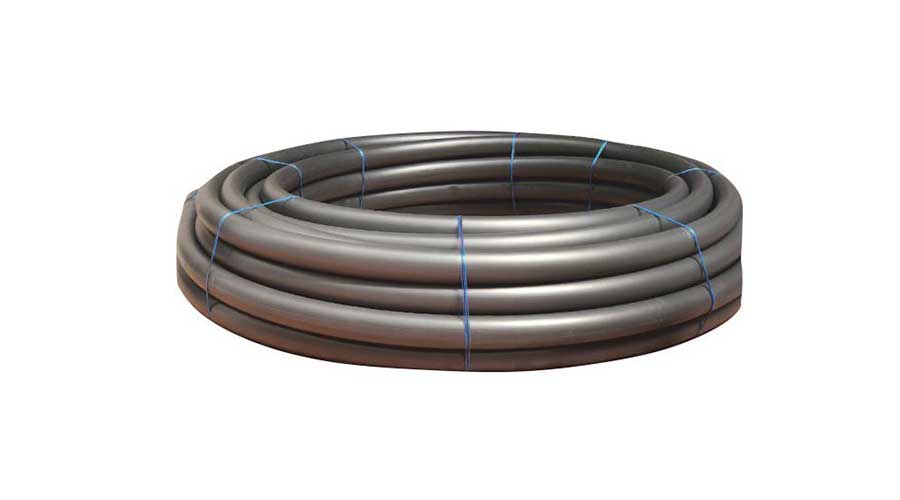
PE CABLE PROTECTION PIPES
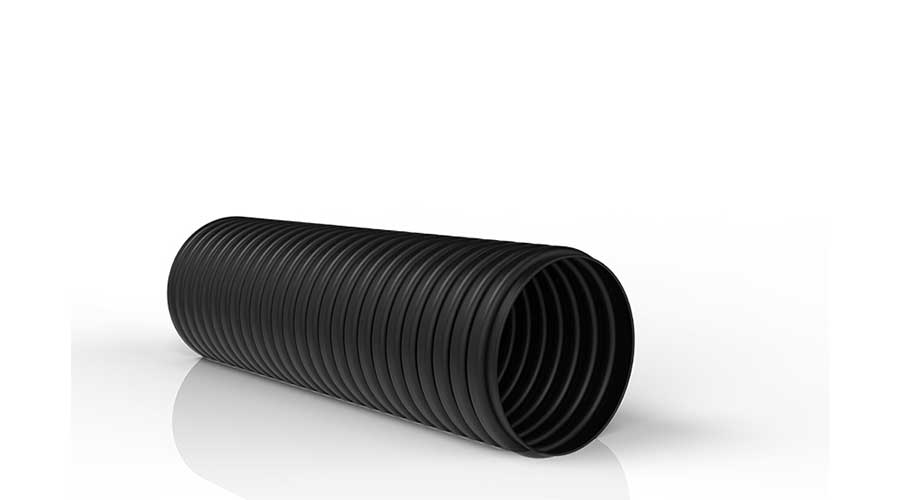
DOUBLE-WALL CORRUGATED PIPES
| PE CABLE PROTECTION PIPES | ||
| 20 | 6/10 | 6 m Length or 100 m Coil |
| 25 | 6/10 | 6 m Length or 100 m Coil |
| 32 | 6/10 | 6 m Length or 100 m Coil |
| 40 | 6/10 | 6 m Length or 100 m Coil |
| 50 | 6/10 | 6 m Length or 100 m Coil |
| 63 | 6/10 | 6 m Length or 100 m Coil |
| 75 | 6/10 | 6 m Length or 100 m Coil |
| 90 | 6/10 | 6 m Length or 100 m Coil |
| 110 | 6/10 | 6 m Length or 100 m Coil |
| DOUBLE-WALL CORRUGATED PIPES | ||
| Outer Ø (mm) | Inner Ø (mm) | Length |
| 50 | 43 | 6 m Length or 100 m Coil |
| 63 | 54 | 6 m Length or 100 m Coil |
| 75 | 64 | 6 m Length or 100 m Coil |
| 100 | 85 | 6 m Length |
| 115 | 100 | 6 m Length |
| 160 | 140 | 6 m Length |
What Is a Coil Pipe?
When discussing coil pipe, it is important to focus on HDPE (high-density polyethylene) pipes in particular. A coil pipe is a type of pipe, often used in underground infrastructure systems, that can extend for many metres and is transported wound into a coil. Made of HDPE, these pipes are both durable and flexible.
Also known as underground protection pipes, coil pipes are widely employed to convey water, gas and other fluids. They are easy to install and maintain, long-lasting and highly resistant to environmental effects. HDPE coil pipes are a key component that boosts efficiency and safety in infrastructure projects.
Types of Coil Pipe
Coil pipe plays an important role across construction, water supply, sewerage, energy transmission and many other industrial applications. Its durability and variety mean there is a version for virtually every need. Below is an overview of common coil-pipe types:
- Spheroidal Cast-Iron Coil Pipe: Produced from ductile cast iron, these pipes suit high-pressure water supply, sewerage and industrial services, offering excellent durability and corrosion resistance.
- Ductile-Iron Coil Pipe: Made of cast iron renowned for high strength and toughness. Resistant to water, corrosion and cracking, it is used in water supply, sewerage, gas transmission and fire-hydrant systems.
- Steel Coil Pipe: Preferred in industrial processes, energy transmission and hydraulic systems. Steel pipes withstand high pressure; stainless-steel options provide extra corrosion resistance.
- PVC Coil Pipe: PVC pipes are used for water supply, irrigation and drainage. Lightweight and economical, they resist corrosion and require virtually no maintenance.
- Steel Pipe with Plastic Coating: Steel pipes whose exterior is coated with plastic for added corrosion protection and enhanced resistance to environmental factors.
- Polyethylene Coil Pipe: Widely used for water supply and gas transmission, PE pipes are flexible, durable and low-cost. They resist corrosion and have a long service life.
Coil-pipe varieties are designed to meet the demands of different projects. Factors such as pipe material, diameter, pressure rating and chemical compatibility ensure the right choice. Coil pipes continue to play a vital role from infrastructure developments to industrial facilities.
HDPE Coil Protection Pipe
An HDPE Coil Protection Pipe is used to protect and organise transmission lines such as water, electricity, telecommunications and natural gas. Manufactured from HDPE (High-Density Polyethylene), these pipes offer durability, flexibility and suitability for diverse applications.
Characteristics of Coil Protection Pipe
- Material Quality: HDPE is the preferred plastic; it is water-resistant, corrosion-resistant and chemically inert.
- Flexibility: The pipe’s flexibility allows bending during installation and adaptation to varying ground conditions.
- Long Service Life: HDPE coil pipes do not rust or rot and require no maintenance.
- Size Range: Available in multiple diameters and lengths to suit different projects.
- Light Weight: Lighter than many alternatives, easing transport and installation.
- Eco-Friendly: HDPE is recyclable and its production consumes relatively little energy.
- Versatile Applications: Used for water conveyance, cable protection, telecom lines and natural-gas transmission.
In summary, an HDPE Coil Protection Pipe is an important solution for safeguarding and organising transmission lines. Its material quality, flexibility, longevity and broad applicability make it a preferred choice in many projects.
Applications of Coil Pipe
Coil pipes have a wide range of uses: municipal and inter-city water transport, wastewater management, gas-distribution systems, agricultural irrigation and drainage, and protection of telecommunication cables, among others. Thanks to their flexibility and high pressure capacity, HDPE coil pipes perform effectively even under challenging geographic conditions.
Use of Coil Pipe in Infrastructure Projects
Coil pipes stand out in infrastructure projects for their flexibility and durability. Frequently chosen for water- and gas-distribution networks, they allow long, continuous runs that minimise leakage risk at joints.
Their low weight reduces transport and installation costs while shortening installation time—speeding project completion and cutting expenses. Because they resist high pressure, corrosion and chemicals, coil pipes deliver a reliable, long-term solution. Flexibility also allows them to withstand ground movement, enhancing pipeline integrity. Altogether, coil pipes provide cost-effective and sustainable answers for water, gas and wastewater management.
Coil-Pipe Production and Material Selection
Coil-pipe production is a high-technology process. Selection of HDPE grade depends on the application and the medium conveyed. HDPE pipes are produced by melting high-density polyethylene and extruding it through specialised dies, maximising flexibility and strength. Inner and outer surface quality, diameter and wall thickness are carefully controlled.
Coil Pipe Prices
Coil-pipe prices vary with size, quality, material type and production process. Generally, HDPE coil pipes pay for themselves through long life and low maintenance. Prices are also influenced by supplier location and transport costs.
Key Features and Advantages of Coil Pipe
Main attributes include high flexibility, exceptional durability, corrosion resistance, UV stability and tolerance to chemicals. Coil pipes help maintain drinking-water quality and, with 10-mm wall thickness and a 10-bar pressure rating, can be used for irrigation. These features ensure long life and minimal maintenance, while low weight simplifies transport and assembly.
How to Choose a Quality Coil-Pipe Supplier
Consider a supplier’s market experience, product quality, customer service and technical support. Compliance with relevant standards and certifications is also vital; a reliable supplier is critical to project success.
Contact Us for Coil-Pipe Enquiries
Reach out to our expert team for your coil-pipe requirements. We are here to provide the most suitable HDPE coil-pipe solutions for your projects. With our high-quality products, we are ready to strengthen your developments and meet your infrastructure needs. Our consultants will help you find the best solution for your specifications.